Skip to main content Skip to search Skip to main navigation

PRODUCTS

EPSON GYRO SENSORS

Digital quartz gyro sensors for attitude control, vibration suppression and navigation, including automotive-grade versions.
Request an evaluation kitCompare all gyro sensors

0.9 °/h

Bias instability of the XV4311BD yaw-rate sensor (typ.)

5.0 × 3.2 mm

XV4311BD package, 1.3 mm high

AEC-Q100

XV4311BD qualification, −40 to +105 °C

Angular rate where you need it

A gyro sensor measures angular rate. It is the compact, low-power way to stabilize, control attitude, suppress vibration and track heading changes in machines, robots and vehicles.

Epson gyro sensors use quartz sensing elements and deliver digital output with integrated filtering. AMCORIS supplies the range and supports you from selection to integration.

QUICK ANSWER

Gyro sensor or IMU?

A gyro sensor is the right choice when angular rate is the key quantity, for example heading changes of an AGV or vibration suppression in a machine, and power and space are limited. An IMU adds three-axis gyroscopes and accelerometers with factory calibration and is the right choice for full attitude and navigation.

Epson XV4311BD

SPOTLIGHT

XV4311BD: navigation-grade yaw rate in 5 × 3 mm

A single-axis quartz yaw-rate sensor with a Double-T sensing element, SafeSPI and built-in diagnostics. Its 0.9 °/h bias instability makes it a strong heading reference for GNSS/INS navigation, autonomous vehicles and ADAS. Paired with a 6-axis sensor, it also enables fault detection.

Bias instability

0.9 °/h

Angle random walk

0.065 °/√h

Rate range

±115 / ±460 °/s

Temperature range

−40 to +105 °C

Package

5.0 × 3.2 × 1.3 mm

Qualification

AEC-Q100

Product details →

Sources: Epson news release on the XV4311BD, 22 July 2025.

Gyro sensors in our applications

GYRO SENSOR PORTFOLIO

Find the right Epson gyro sensor

Industrial gyro sensors with SPI/I²C, and AEC-Q100 automotive-grade sensors for navigation and safety-related systems.

Industrial series

XV7000 series with SPI/I²C, integrated filtering and low power consumption.

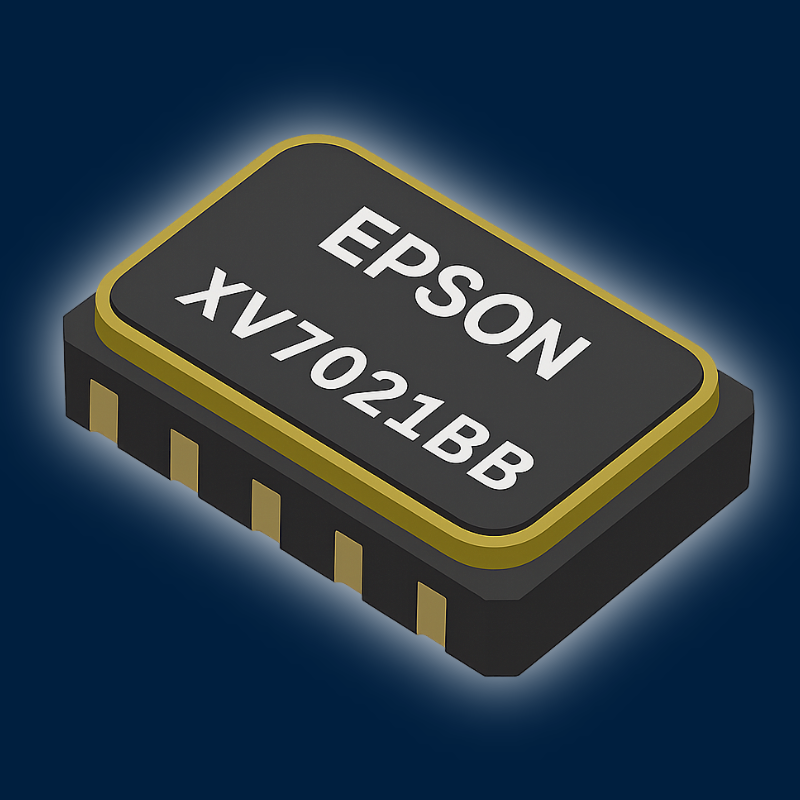
Epson XV7021BB

XV7021BBOn request

SPI/I²C · ultra-low power

Battery-powered and portable systems, lightweight robots.

Product details →

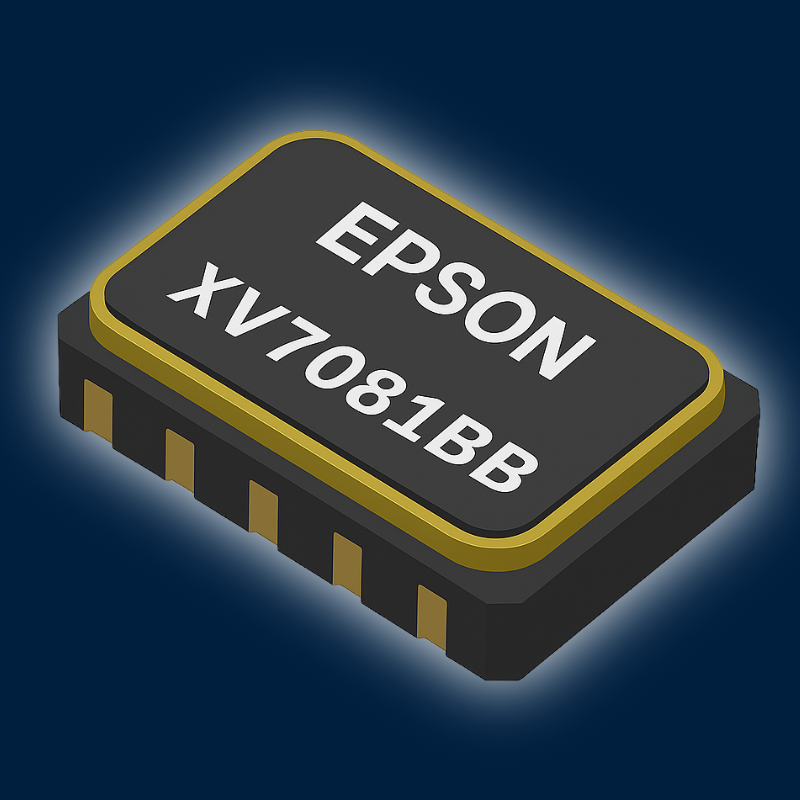
Epson XV7081BB

XV7081BBOn request

SPI/I²C · integrated filtering

Motion control in autonomous machines and robot arms.

Product details →

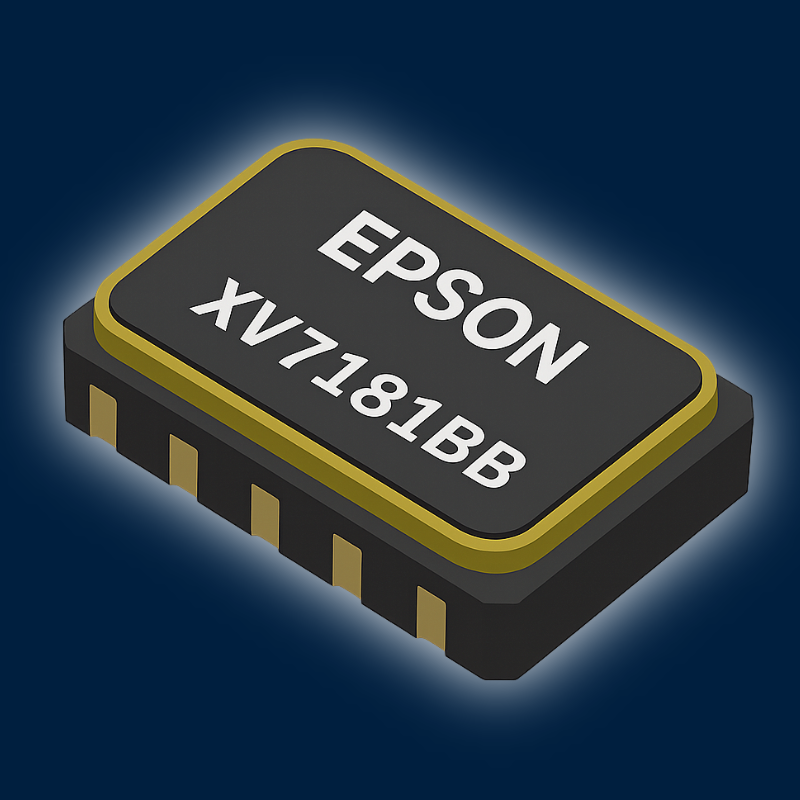
Epson XV7181BB

XV7181BBOn request

SPI/I²C · wide temperature range · temp. sensor

AGVs, robotic lawn mowers and industrial attitude control.

Product details →

Automotive-grade series

AEC-Q100 qualified sensors for navigation, autonomous vehicles and safety-related functions.

FEATURED

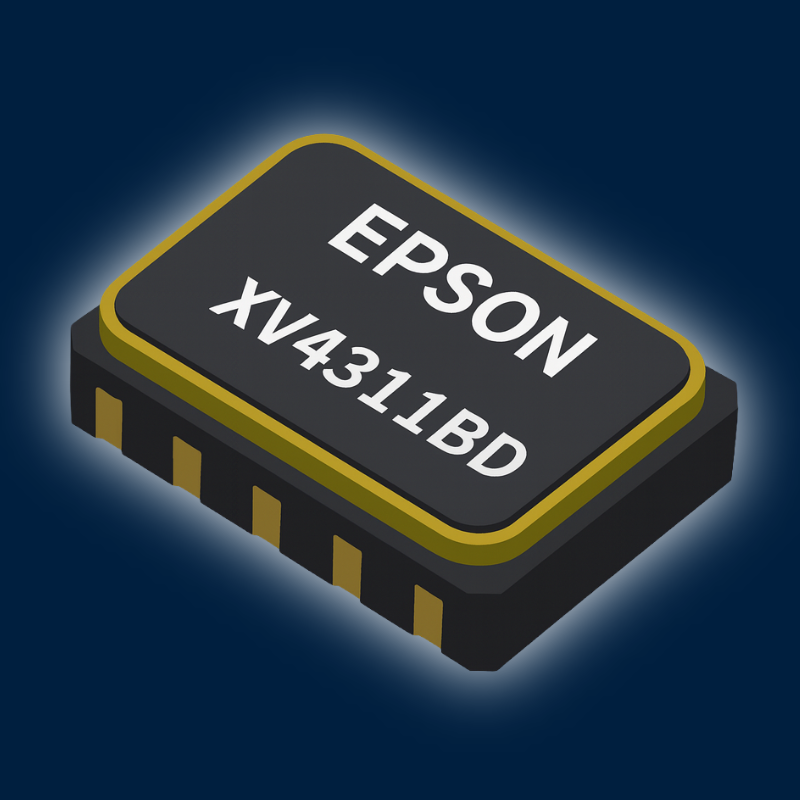
Epson XV4311BD

XV4311BDOn request

SafeSPI · 0.9 °/h · AEC-Q100

Heading reference for GNSS/INS, autonomous vehicles and ADAS.

Product details →

Epson XC1011SD

XC1011SDOn request

SPI · yaw gyro + 2-axis accelerometer · ASIL D

Electronic stability control and automotive safety platforms.

Product details →

WHY AMCORIS

Why engineers choose AMCORIS

01

Quartz sensing

Epson quartz gyro elements for stable angular rate output.

02

Industrial and automotive-grade

From ultra-low-power sensors to AEC-Q100 yaw-rate sensors.

03

Application engineering

Sensor selection, evaluation kits and integration support.

04

Path to IMUs

When you need six axes, the Epson IMU range is one step away.

FAQ

Frequently asked questions

Your question is not listed?

Ask our engineers →

QWhat is the difference between the XV7000 models?

The XV7021BB is optimized for ultra-low power, the XV7081BB for compact motion control, and the XV7181BB for industrial use over a wide temperature range with a built-in temperature sensor and selectable filters.

QWhich sensors are suitable for automotive applications?

The XV4311BD yaw-rate sensor (AEC-Q100, SafeSPI, −40 to +105 °C) and the XC1011SD combined gyro and accelerometer (AEC-Q100).

QWhen do I need an IMU instead?

When you need full attitude or navigation on all axes. See our Epson IMUs.

QCan I test the sensors before ordering?

Yes. Request an Epson evaluation kit from AMCORIS and test the sensor in your own setup. Our team helps you choose the right model.

Not sure which gyro sensor fits?

Tell us about your system. We recommend a model and provide an evaluation kit.

Request an evaluation kitCompare all gyro sensors